Uterus Prolapse
Occurs when the womb drops down into the vagina. Ranging from mild descent to a more significant protrusion, this is one of the most common forms of pelvic organ prolapse.
A compassionate, evidence-based approach to pelvic floor rehabilitation — without surgery
Book Your ConsultationDiscovering that you are experiencing a pelvic organ prolapse can be an isolating and overwhelming experience. Many women feel confusion or even shame, often suffering in silence while assuming that surgery is the only path forward. At Zyloh Physio, you are not alone — and there are highly effective, non-surgical solutions available to you.
Specialist prolapse physiotherapy is the gold standard for managing symptoms and improving quality of life. Whether you are in Belgravia, Monument, or Clapham, our expert team provides compassionate, evidence-based care tailored to your unique needs.
Pelvic organ prolapse occurs when the pelvic floor muscles and connective tissues — the "hammock" that holds your internal organs in place — become weakened or stretched. This lack of support allows one or more pelvic organs to shift from their normal position and bulge into the vaginal canal.
Symptoms can range from a subtle feeling of heaviness to a noticeable protrusion. Many patients describe a "dragging" sensation that worsens toward the end of the day or after long periods of standing. Understanding the specific type of prolapse is the first step toward effective treatment.
Our specialist physiotherapist assesses and treats all common forms of pelvic organ prolapse:
Occurs when the womb drops down into the vagina. Ranging from mild descent to a more significant protrusion, this is one of the most common forms of pelvic organ prolapse.
Often associated with uterine descent, where the cervix sits lower than intended within the vaginal canal — a condition effectively addressed through specialist rehabilitation.
Involves the rectum bulging into the back wall of the vagina, frequently causing difficulty with bowel movements and a sensation of incomplete emptying.
Occurs when the bladder bulges into the front wall of the vagina, often resulting in urinary frequency, urgency, or a feeling of pelvic pressure.
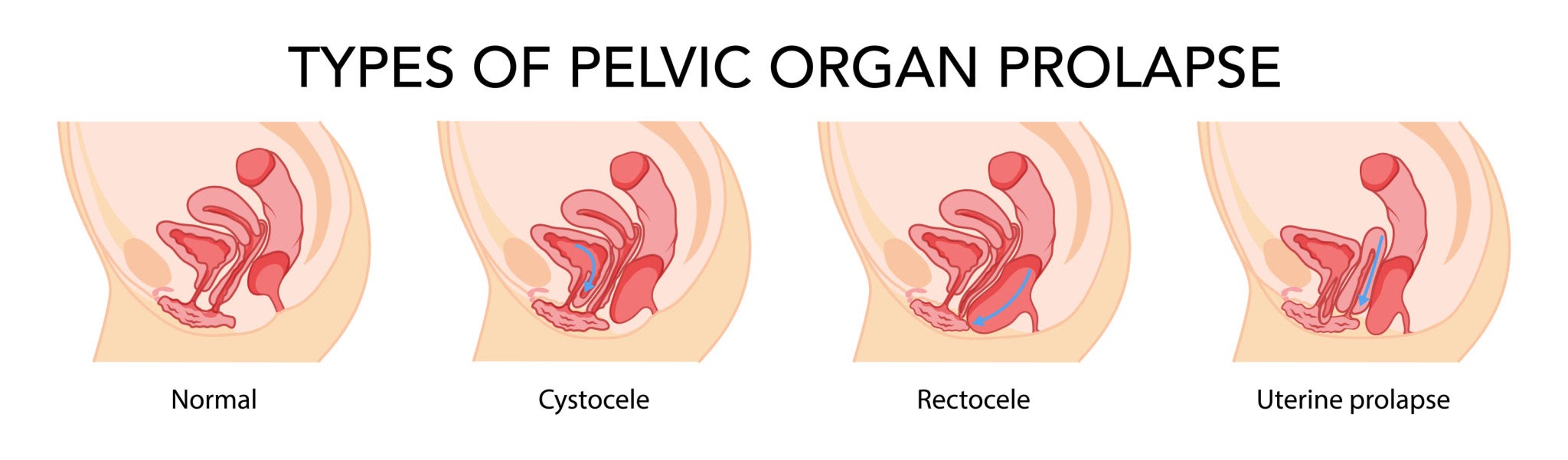
Regardless of the type, the underlying issue is often a functional weakness in the pelvic floor — and this is precisely where specialist physiotherapy becomes invaluable.
While general physiotherapists are excellent for musculoskeletal injuries, a specialist prolapse physiotherapist has undertaken advanced training to assess the complex internal structures of the pelvis.
At Zyloh Physio, our approach goes beyond simple exercises. We look at the whole person — considering your breathing patterns, core stability, lifestyle, and gut health. Our goal is not just to manage the bulge, but to reduce the pressure acting on your pelvic floor so your body can heal and adapt.
During an initial consultation at our London clinics, we perform a thorough assessment that may include an internal examination (with your consent) to determine the grade of the prolapse and evaluate the strength, endurance, and coordination of your pelvic floor muscles.
Modern research shows that pelvic floor rehabilitation is highly effective for mild to moderate cases (Grades 1–3) and is often recommended as the first line of treatment. Rehabilitation is about far more than just doing Kegel exercises — it is a structured, progressive programme designed to:
Build the stiffness and structural support of the pelvic floor, restoring the internal hammock that holds your organs in the correct position.
Optimise the coordination between your diaphragm and pelvic muscles so that breathing and movement patterns no longer create downward pressure on the prolapse.
Teach you how to protect your pelvic organs during daily activities — lifting, coughing, exercising, or sneezing — so you can live actively without aggravating symptoms.
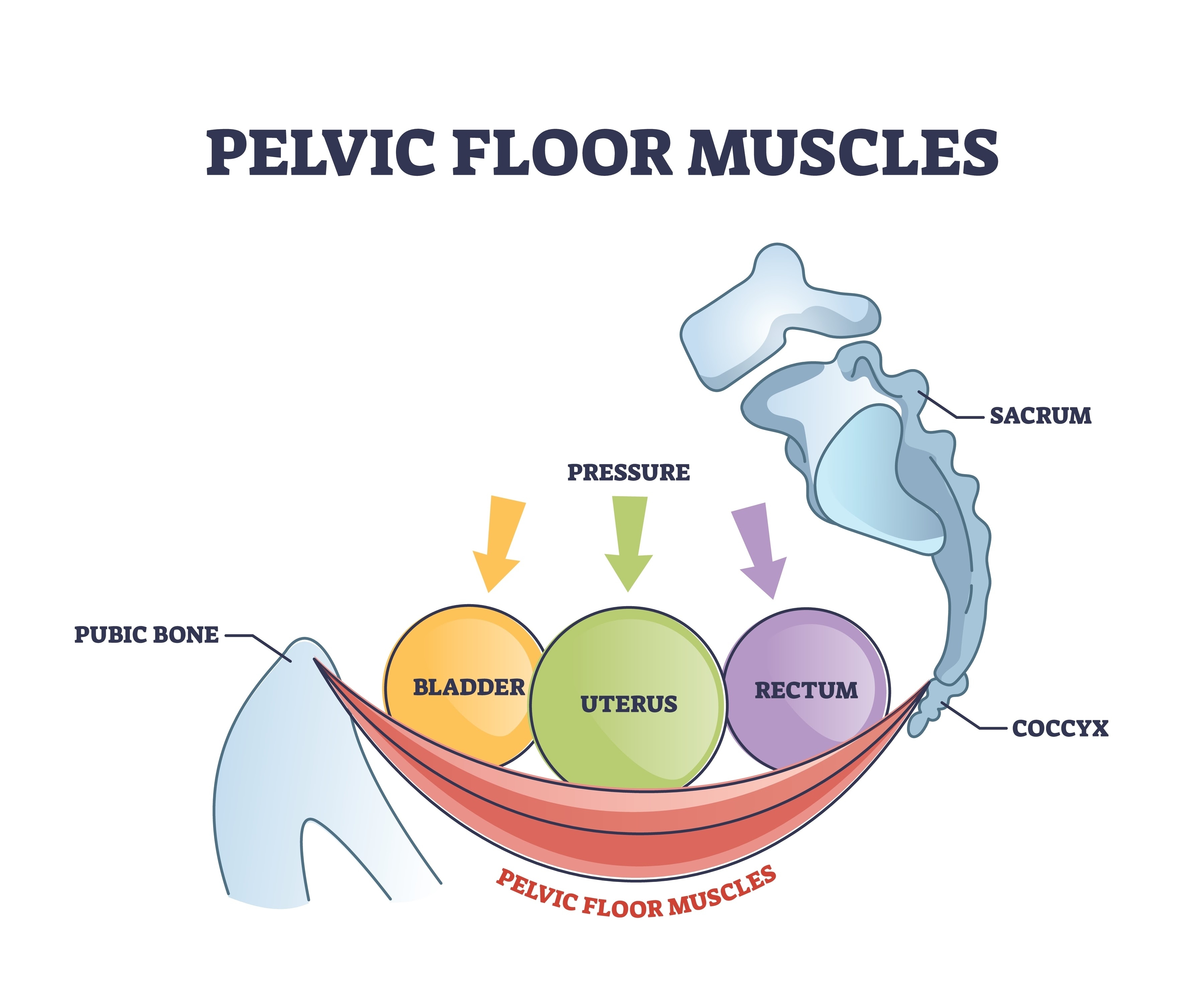
By strengthening these internal supports, many women find that their symptoms significantly diminish, and in some cases the prolapse may even improve in grade.
We understand that convenience is key when managing a chronic condition. Zyloh Physio provides premium prolapse care across several central hubs, ensuring you can access expert help where it suits you best.
Our clinics in Belgravia and Monument offer discreet, state-of-the-art environments for your assessment. These locations are ideal for professionals working in the City or residents in West London requiring expert intervention for cervical prolapse or rectocele management.
For those based in South West London, our Clapham branch provides a welcoming space for your rehabilitation journey. Our therapists here specialise in postnatal recovery and long-term prolapse management, helping you return to the activities you love — from running to yoga.
For those who find travelling to a clinic difficult — especially if managing a busy household or recovering from surgery — we offer at home physiotherapy throughout London. Receive expert care in the privacy of your own home, including practical advice on ergonomics and home-based exercise setups.
Your journey with Zyloh Physio is entirely personalised — there is no "one size fits all" when it comes to the pelvis. Your treatment plan may include:
Specific movements designed to strengthen the pelvic floor without increasing downward pressure, progressed gradually as your strength and coordination improve.
Learning how to breathe and move effectively to protect your pelvic organs during the demands of daily life — from carrying shopping to returning to sport.
In some cases, a small silicone pessary can provide internal support as an adjunct to physiotherapy. Your therapist will discuss whether this is appropriate for your individual situation.
Utilising real-time technology and hands-on techniques to help you locate, activate, and correctly coordinate the muscles that support your pelvic organs.
Jency holds a Master's degree in Obstetrics and Gynaecology and is a POGP-registered pelvic health physiotherapist — guaranteeing the highest clinical standard for prolapse care.
Alongside her private practice, Jency works as a Highly Specialised Pelvic Health Physiotherapist at the Royal London Hospital, bringing complex NHS expertise directly to your care.
We assess your breathing, posture, lifestyle, and gut health alongside your pelvic floor — addressing the root causes of pressure rather than managing symptoms in isolation.
We believe the most powerful tool in prolapse management is understanding your own body. Every session builds your knowledge so you can manage your pelvic health with confidence long-term.
Locations: Belgravia, Monument, Clapham — and at home physiotherapy available throughout London.
Jency is a Consultant Pelvic Health Physiotherapist and Biofeedback Specialist with over 18 years of experience dedicated exclusively to women's pelvic health. She holds a Master's degree in Obstetrics and Gynaecology and is a registered member of the Association of Pelvic Obstetric and Gynaecological Physiotherapists (POGP).
In addition to her private practice at Zyloh Physio, Jency holds a Highly Specialised clinical role at the Royal London Hospital, where she works within the pelvic floor team treating complex prolapse, pelvic floor dysfunction, and postnatal recovery.
Her approach is compassionate, evidence-based, and centred entirely on your goals — empowering you to regain control and confidence through dedicated, expert rehabilitation.
Book with JencyYes. For mild to moderate prolapse (Grades 1–3), pelvic floor physiotherapy is the recommended first-line treatment. Research consistently shows that a structured rehabilitation programme reduces symptoms, improves pelvic floor support, and can even lead to an improvement in prolapse grade — often removing the need for surgery altogether.
Physiotherapy is most effective for Grade 1, 2, and 3 pelvic organ prolapse. Even in cases where surgery is eventually required, pre-operative physiotherapy strengthens the pelvic floor and improves post-operative recovery. Your physiotherapist will assess your specific grade during the initial consultation and advise on the most appropriate management plan.
Most patients notice meaningful symptom improvement within 6–10 sessions over 8–12 weeks. Prolapse rehabilitation is an ongoing process, and your physiotherapist will design a progressive home exercise programme that you continue independently to maintain long-term pelvic floor support and prevent symptom recurrence.
Your first appointment is a comprehensive 60-minute consultation. Your physiotherapist will take a detailed history of your symptoms, medical background, and daily activities. An assessment of your pelvic floor strength, endurance, and coordination follows — which may include an optional internal examination with your fully informed consent. You will leave with a personalised treatment plan and immediate guidance for home.
An internal pelvic floor examination is offered because it provides the most accurate assessment of prolapse grade and muscle function. It is entirely optional and always requires your fully informed consent. Non-invasive alternatives using external biofeedback are available. Your comfort and dignity are our highest priority throughout your care at Zyloh Physio.
Contact Zyloh Physio at info@zylohphysio.com or call +44 799 999 6926 to discuss current fees and available packages. We offer clinic appointments in Belgravia, Monument, and Clapham, as well as at home physiotherapy across London. Some private health insurance options are also accommodated.
Living with pelvic prolapse does not have to mean a lifetime of discomfort or restricted activity. With the right guidance from a specialist, you can lead a full, active life. The key is early intervention and a commitment to your rehabilitation programme.
Book Your ConsultationOr contact us directly: +44 799 999 6926 | info@zylohphysio.com